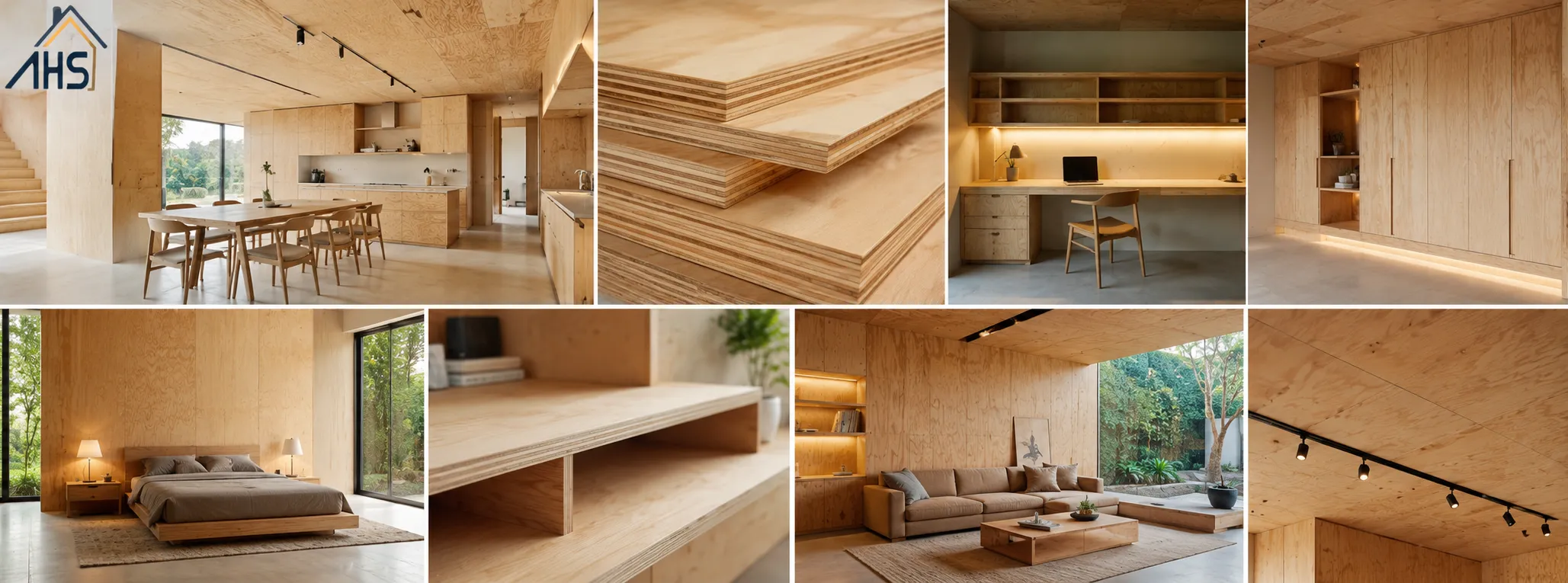
How to Choose the Best Plywood: A Complete Buyer’s Guide
Plywood is one of the most important materials used in modern furniture, home interiors, construction, and commercial projects. From kitchen cabinets and wardrobes to office furniture and wall panels, the quality of plywood plays a major role in determining the strength, durability, and appearance of the final product.
Choosing the right plywood can be challenging because the market offers many varieties, grades, thicknesses, and brands. A wrong choice can lead to problems such as swelling, termite damage, bending, poor screw holding strength, and reduced furniture life.
This complete guide explains how to choose the best plywood for furniture, kitchens, wardrobes, and home interiors. You will learn about different plywood types, grades, thickness selection, quality checks, and expert plywood buying tips to select durable and long-lasting plywood.
What Is Plywood?
Plywood is an engineered wood product made by bonding multiple thin layers of natural wood veneers together under high pressure and temperature. These layers are arranged with their grains placed in opposite directions, which gives plywood better strength, stability, and resistance compared to ordinary wood.
The cross-layer construction helps plywood resist cracking, shrinking, and warping. Because of its durability and flexibility, plywood is widely used for residential and commercial interior applications.
Because plywood sheets are made from multiple layers of wood veneer, they offer better dimensional stability compared to solid wood. This makes plywood a preferred choice for modular furniture, interior design projects, residential construction, and commercial applications.
How Is Plywood Manufactured?
- High-quality timber logs are peeled into thin wood veneers.
- The veneers are dried and sorted according to quality.
- Multiple layers are arranged with alternating grain directions.
- Strong adhesives are applied between layers.
- The layers are pressed under heat and pressure to create a strong plywood sheet.
- The final sheet is polished, tested, and graded.
Understanding the plywood manufacturing process helps buyers identify better quality products. You can also learn more about different types of plywood grades before making a purchase decision.
Why Choosing the Right Plywood Matters
Plywood is not just a construction material; it is an investment in the durability and performance of your furniture. Choosing the right plywood for home interiors, modular kitchens, wardrobes, and furniture ensures better strength, longer life, improved appearance, and value for money.
High-quality plywood provides the following benefits:
- Better durability: Strong plywood can withstand daily usage for many years and maintains furniture strength over time.
- Moisture resistance: Quality plywood reduces the risk of swelling and damage in humid areas such as kitchens and bathrooms.
- Better screw holding strength: Dense plywood provides stronger joints and fittings, making furniture more stable and durable.
- Improved finish: Smooth plywood surfaces are ideal for laminates, paints, and decorative veneers.
- Termite protection: Treated plywood offers better resistance against termites, borers, and fungal attacks.
- Cost savings: Durable plywood reduces repair and replacement costs in the long term.
Types of Plywood: Understanding Different Grades
Plywood is available in different grades based on moisture resistance, strength, durability, and application requirements. Choosing the right type of plywood is one of the most important steps when buying plywood for furniture, kitchens, wardrobes, and home interiors.
The three most commonly used plywood types are MR plywood, BWR plywood, and BWP or Marine plywood. Each type has different properties and is suitable for specific applications.
1. MR Grade Plywood (Moisture Resistant Plywood)
MR plywood, also known as Moisture Resistant plywood or commercial plywood, is one of the most commonly used plywood options for indoor furniture. It is designed to handle normal indoor humidity but is not suitable for continuous water exposure.
MR plywood is a practical choice for dry areas where furniture has limited contact with moisture. It provides good strength, smooth finishing, and excellent performance for regular interior applications.
Best applications:
- Bedroom furniture
- Wardrobes
- Living room cabinets
- Bookshelves
- Study tables
- Office furniture
- Interior wall panels
If you want to understand the difference between different plywood grades, check our detailed guide on types of plywood grades.
2. BWR Grade Plywood (Boiling Water Resistant Plywood)
BWR plywood provides better moisture resistance compared to MR plywood. It is manufactured using stronger waterproof adhesives that allow it to withstand humidity, steam, and occasional exposure to water.
BWR plywood is commonly preferred for areas where moisture levels are higher but continuous water exposure is not expected. It offers a good balance between durability, performance, and cost.
Best applications:
- Kitchen cabinets
- Modular kitchen furniture
- Bathroom storage units
- Utility areas
- Semi-outdoor furniture
- Humid locations
For kitchen and moisture-prone areas, selecting the right waterproof plywood is important. You can also read our guide on best waterproof plywood.
3. BWP or Marine Grade Plywood (Waterproof Plywood)
BWP (Boiling Water Proof) plywood, commonly known as Marine plywood, is one of the most durable plywood options available. It is manufactured using waterproof adhesives and high-quality wood veneers to provide excellent resistance against moisture.
Marine plywood is ideal for premium interiors and areas where plywood may come in frequent contact with humidity or water. It offers superior strength, durability, and long-term performance.
Best applications:
- Premium kitchen interiors
- Bathroom furniture
- Outdoor furniture
- High-moisture areas
- Luxury interior projects
- Commercial interior applications
MR vs BWR vs Marine Plywood: Which One Is Best?
Choosing between MR, BWR, and Marine plywood depends on your application, moisture exposure, budget, and durability requirements. The following comparison will help you select the best plywood for your project.
| Plywood Type | Water Resistance | Best Use | Durability | Recommended Areas |
|---|---|---|---|---|
| MR Plywood | Low to Medium | Dry indoor furniture | Good | Bedrooms, living rooms, offices |
| BWR Plywood | High | Moisture-resistant furniture | Very Good | Kitchens, utility areas, humid spaces |
| BWP / Marine Plywood | Very High | Waterproof and premium applications | Excellent | Bathrooms, luxury kitchens, outdoor areas |
Which Plywood Should You Choose?
For bedrooms, living rooms, and dry areas, MR plywood is generally a suitable choice. For kitchens, modular furniture, and humid environments, BWR plywood provides better protection. For bathrooms, outdoor furniture, and areas with high moisture exposure, BWP Marine plywood is the most reliable option.
Selecting the correct plywood grade according to your requirement helps improve furniture life, reduce maintenance costs, and ensure better performance.
How to Choose the Best Plywood: Important Factors to Consider
Choosing the best plywood requires more than just selecting a brand or comparing prices. You need to consider plywood grade, thickness, core quality, moisture resistance, application area, and durability requirements. The right selection helps you build strong, long-lasting furniture and interiors.
Whether you are selecting plywood for furniture, modular kitchens, wardrobes, office interiors, or home renovation projects, understanding these important factors will help you make a better buying decision.
1. Select the Right Plywood Grade
The first step in choosing plywood is understanding where it will be used. Different areas require different levels of moisture resistance and strength.
- For bedrooms and living rooms: MR plywood is generally suitable because these areas have limited moisture exposure and require good finishing.
- For kitchens and bathrooms: Choose BWR or BWP plywood because these areas experience humidity, steam, and occasional water contact.
- For outdoor or high-moisture applications: Marine grade plywood provides better protection and durability.
Choosing the correct plywood grade prevents problems such as swelling, delamination, and reduced furniture life.
2. Check the Core Quality of Plywood
The core is one of the most important parts of plywood because it determines strength, stability, and screw holding capacity. High-quality plywood should have a uniform core structure without large gaps or empty spaces between layers.
Before purchasing plywood sheets, inspect the edges carefully. Good quality plywood should have:
- Evenly bonded layers
- No visible gaps or cracks
- Uniform thickness throughout the sheet
- Strong internal bonding
- Better screw holding strength
Poor-quality plywood often contains internal voids that reduce strength and may cause problems during cutting, drilling, and furniture installation.
3. Choose the Correct Plywood Thickness
Selecting the correct plywood thickness is essential for furniture strength, stability, and long-term performance. The required thickness depends on the application, design, and load-bearing requirements.
| Plywood Thickness | Common Applications |
|---|---|
| 4 mm – 6 mm | Back panels, decorative work, wall panels, and lightweight applications |
| 9 mm | Light shelves, partitions, and small furniture parts |
| 12 mm | Cabinet shutters, drawers, and medium-load furniture |
| 16 mm – 18 mm | Wardrobes, beds, kitchen cabinets, and heavy furniture |
| 25 mm | Heavy-duty furniture, worktops, and commercial applications |
For detailed information, check our complete plywood thickness guide to choose the right thickness for different furniture applications.
4. Examine the Surface Finish
The surface quality of plywood directly affects the final appearance of furniture. Premium plywood should have a smooth, even surface that works well with laminates, paints, and veneers.
Avoid plywood with:
- Cracks or visible damage
- Uneven layers
- Surface bubbles
- Loose veneer sheets
- Rough patches
A good surface finish improves the appearance of furniture and provides better results during interior installation.
5. Verify Quality Certifications
Always choose plywood that meets recognized quality standards. Certified plywood products are tested for strength, bonding quality, moisture resistance, and durability.
Checking certification helps ensure that you are purchasing genuine plywood with reliable performance instead of low-quality alternatives.
6. Check Moisture Resistance
Moisture is one of the biggest reasons for plywood damage. When plywood absorbs water, it can swell, lose strength, and affect the appearance of furniture.
For moisture-prone areas:
- Choose BWR plywood for kitchens and humid locations.
- Choose BWP Marine plywood for bathrooms and high-moisture areas.
- Avoid using regular MR plywood where direct water exposure is common.
If you are planning a kitchen project, explore our guide on best plywood for modular kitchen.
7. Look for Termite and Borer Protection
Termites and wood borers can seriously damage furniture over time. Many premium plywood manufacturers provide chemical treatment to improve resistance against termites, insects, and fungal attacks.
Before buying plywood, ask your supplier about:
- Termite resistance
- Borer protection
- Anti-fungal treatment
- Warranty coverage
8. Evaluate Plywood Weight and Density
The weight and density of plywood can provide an indication of its quality. Good plywood usually has a strong and compact structure.
Extremely lightweight plywood may contain:
- Large internal gaps
- Lower-quality wood layers
- Poor bonding between veneers
However, weight alone should not be the only deciding factor. Always combine it with edge inspection, certification, and overall quality checks.
9. Inspect Edge Quality
The edges of plywood reveal a lot about manufacturing quality. Always check the side profile before purchasing.
High-quality plywood edges should:
- Have properly bonded layers
- Look uniform
- Show no separation between veneers
- Maintain equal thickness
10. Compare Warranty and Brand Reputation
A reliable plywood manufacturer usually provides warranty support because they are confident about their product quality and durability.
While choosing plywood, consider:
- Brand reputation
- Customer reviews
- Warranty period
- Dealer reliability
- After-sales support
How to Check Plywood Quality Before Buying
Before purchasing plywood, it is important to check the quality of the sheet carefully. A good quality plywood sheet provides better strength, durability, and long-term performance for furniture and interior projects.
Follow these simple checks before buying plywood:
- Check the plywood edges:
Inspect the side profile of the plywood sheet. The layers should be tightly bonded without visible gaps, cracks, or separation between veneers. - Examine the surface:
A high-quality plywood sheet should have a smooth and even surface without bubbles, cracks, patches, or uneven areas. - Check thickness accuracy:
Make sure the actual plywood thickness matches the product specifications. Incorrect thickness can affect furniture strength and durability. - Test the strength:
Good plywood should feel strong and stable. It should not bend easily under normal pressure. - Verify certification and warranty:
Always check product certification, warranty details, and manufacturer information before making a purchase.
Common Mistakes to Avoid When Buying Plywood
Many homeowners choose plywood only based on price, but this can lead to poor performance and higher maintenance costs in the future. Avoid these common mistakes when selecting plywood.
- Choosing plywood only because it is cheaper:
Low-cost plywood may compromise on core quality, durability, and moisture resistance. - Using the wrong plywood grade:
Using MR plywood in kitchens or bathrooms can result in swelling and damage due to moisture exposure. - Ignoring core quality:
Poor internal layers can reduce plywood strength and affect screw holding capacity. - Buying from unreliable suppliers:
Always purchase plywood from trusted dealers to ensure genuine quality and warranty support. - Selecting incorrect thickness:
Using thin plywood for heavy furniture can cause bending and reduce furniture lifespan. - Ignoring termite protection:
Untreated plywood may become vulnerable to termites and wood borers over time.
Tips for Buying the Best Plywood
Selecting the best plywood becomes easier when you focus on quality, application, and long-term performance rather than only the purchase price.
- Match the plywood grade with the application area.
- Choose moisture-resistant plywood for kitchens and humid locations.
- Buy plywood from authorized dealers and trusted suppliers.
- Compare product specifications instead of comparing only prices.
- Inspect plywood sheets physically before installation.
- Ask about warranty, certification, and termite protection.
- Purchase slightly extra material to manage cutting waste.
- Choose plywood according to furniture design and load requirements.
Best Plywood for Different Home Applications
The best plywood depends on where it will be installed. Different areas of your home require different levels of strength, moisture resistance, and durability.
Best Plywood for Kitchen Cabinets
Kitchen cabinets are exposed to moisture, steam, heat, and frequent cleaning. Therefore, selecting moisture-resistant plywood is important for long-lasting kitchen furniture.
Recommended plywood options:
- BWR plywood for standard kitchen requirements.
- BWP / Marine plywood for premium modular kitchens and maximum durability.
Using the right kitchen plywood helps prevent swelling, warping, and damage caused by humidity and daily usage.
Read our detailed guide on best plywood for modular kitchen for more information.
Best Plywood for Wardrobes
Wardrobes require plywood that can handle weight from clothes, shelves, and regular opening and closing. Strength, stability, and screw holding capacity are important factors.
Recommended plywood options:
- 18 mm MR plywood for dry bedrooms.
- 18 mm BWR plywood for humid locations.
For premium wardrobes, choose high-density plywood with better durability and finishing quality.
Best Plywood for Beds
Beds require strong plywood because they support continuous weight and movement. Choosing low-quality plywood may result in bending, cracking, and reduced lifespan.
Recommended plywood options:
- 18 mm to 25 mm plywood depending on design and load requirement.
- BWR or BWP plywood for improved durability.
Best Plywood for Bathroom Furniture
Bathrooms have high humidity and direct water exposure, making regular plywood unsuitable for these areas.
Recommended option:
- BWP Marine plywood with waterproof adhesive.
For bathroom and high-moisture applications, waterproof plywood provides better protection against swelling and damage.
Plywood Maintenance Tips for Longer Life
Even high-quality plywood requires proper care and maintenance to maintain its strength and appearance. Following simple maintenance practices can increase furniture lifespan.
- Avoid prolonged water exposure on plywood surfaces.
- Clean furniture using a dry or slightly damp cloth.
- Repair damaged laminate or veneer surfaces quickly.
- Maintain proper ventilation in humid areas.
- Regularly check furniture for termite activity.
- Avoid placing excessive weight on shelves beyond their capacity.
Frequently Asked Questions (FAQs)
1. How to choose the best plywood for home furniture?
To choose the best plywood for home furniture, consider the application area, moisture exposure, thickness requirement, and core quality. MR plywood is suitable for dry areas like bedrooms and living rooms, while BWR or BWP plywood is recommended for kitchens, bathrooms, and humid locations.
2. Which plywood is best for modular kitchen cabinets?
BWR plywood and BWP Marine plywood are considered suitable choices for modular kitchen cabinets because they provide better resistance against moisture, steam, and daily usage. For premium kitchens, BWP plywood offers better durability and long-term performance.
3. Which plywood is completely waterproof?
BWP or Marine Grade plywood provides the highest level of water resistance among commonly available plywood types. It is manufactured using waterproof adhesives and is suitable for areas with high moisture exposure.
4. What is the difference between MR, BWR, and Marine plywood?
MR plywood is moisture-resistant and suitable for dry indoor furniture. BWR plywood offers better water resistance and is commonly used for kitchens and humid areas. Marine plywood provides maximum water resistance and durability for high-moisture applications.
5. What thickness of plywood is best for furniture?
The ideal plywood thickness depends on the furniture type. Generally, 18 mm plywood is widely used for wardrobes, beds, kitchen cabinets, and heavy furniture because it provides good strength and stability.
6. How can I check plywood quality before buying?
You can check plywood quality by inspecting the edges, surface finish, thickness accuracy, core structure, certifications, and warranty details. Good plywood should have tightly bonded layers without gaps or cracks.
7. Can MR plywood be used in kitchens?
MR plywood can be used in areas of the kitchen with minimal moisture exposure, but BWR or BWP plywood is a better choice for kitchen cabinets because they provide improved moisture resistance and durability.
8. How long does good-quality plywood last?
High-quality plywood can last 20 years or more when properly installed and maintained. The lifespan depends on plywood quality, application area, moisture exposure, and regular maintenance.
9. Which plywood is best for wardrobes?
For wardrobes, 18 mm MR plywood is suitable for dry bedrooms, while BWR plywood is recommended for humid areas. Choosing high-density plywood improves strength, finishing, and durability.
10. Should plywood be selected only based on price?
No. Price should not be the only deciding factor when buying plywood. Quality, durability, moisture resistance, warranty, and application requirements are more important for long-term value.
Final Thoughts: Choosing the Right Plywood
Choosing the best plywood is an important decision that directly affects the strength, appearance, and lifespan of your furniture and interiors. The right plywood selection depends on understanding different plywood grades, checking core quality, selecting the correct thickness, and considering the environment where it will be installed.
For dry areas such as bedrooms and living rooms, MR plywood can be a practical choice. For kitchens, modular furniture, and humid locations, BWR plywood provides better protection. For bathrooms, outdoor furniture, and high-moisture applications, BWP Marine plywood offers maximum durability.
A good plywood investment improves furniture performance, reduces maintenance requirements, and provides long-lasting beauty to your home interiors. Always purchase plywood from trusted suppliers, inspect the quality before buying, and choose a product that matches your specific requirements.
Buy Premium Quality Plywood for Furniture, Kitchens & Interiors
If you are searching for premium plywood, Aggarwal Home Studio offers a wide range of high-quality plywood, laminates, veneers, and interior materials for modern homes and commercial spaces.
With durable, termite-resistant, and moisture-resistant plywood solutions, Aggarwal Home Studio helps customers choose the right materials for kitchens, wardrobes, furniture, and complete home interiors. Their expert guidance makes it easier to select plywood that matches your design requirements, durability needs, and budget.
Why Choose Aggarwal Home Studio?
- Premium quality plywood and interior materials.
- Wide range of laminates, veneers, and decorative solutions.
- Expert guidance for selecting the right plywood.
- Quality products for residential and commercial interiors.
- Trusted interior material supplier in Pathankot, Punjab.
Leave a Reply